

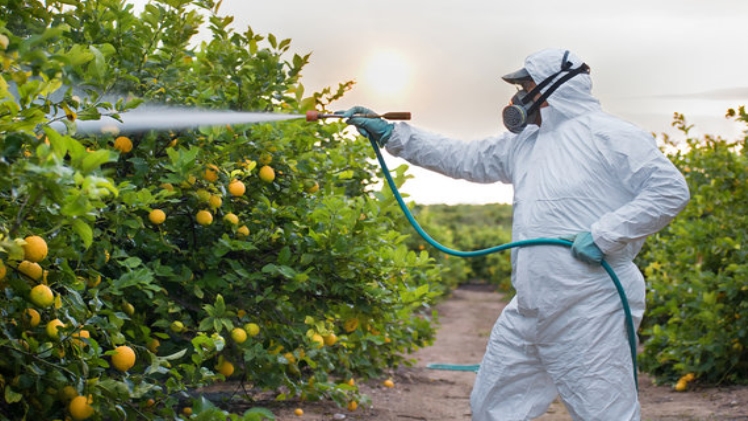
Choosing the best pest control method to get rid of pests in your property is vital. There are two types of pest management approach: organic and chemical pest control methods. Before you choose which one to use on your property, you must first familiarize yourself with each option to better understand which one is best for you.
We have dissected the vital information you will need to help you decide what type of pest control you should use. This way, you can ensure that you will make the right decision when choosing a pest management method.
What Is Natural Pest Control?
The term “natural pest control” describes pest control strategies that rely on organic (chemical-free) solutions. Several organic substances, such as essential oils, fly traps, and food-grade diatomaceous earth, can help reduce the number of pests. These remedies are frequently non-toxic and safe for both pets and young children.
The Process of Natural Pest Control
The use of organic oils, genetically altered organisms, diverse agricultural techniques, etc. are examples of natural pest control strategies. These techniques, which include intercropping, crop rotation, crop diversification, etc., encourage the development of numerous plants on the same plot of land.
This promotes the biodiversity of the area while also replenishing the soil. Long-term cultivation of the same crop depletes the soil of its nutrients. Consequently, natural approaches also aid in increasing biodiversity.
Different Natural Pest Control Methods
Among the bothersome pests that infiltrate our homes are wasps, flies, mosquitoes, and rodents. As if that weren’t horrible enough, they can spread illnesses. Use all natural pest control rather than damaging chemicals that are also hazardous for the planet to protect your home.
Here are some natural pest management methods you can do to protect your home without endangering your pets, family, or the environment:
- Traps
- Spray using organic ingredients
- Rat birth control
- Preventive solution
The Pros and Cons of Natural Pest Control
Now that you are familiar with the natural pest control method, let us now discuss the pros and cons of using this kind of pest management approach.
The Pros of Natural Pest Control
First, using natural or “green” pest control to eliminate pests can do so without endangering the ecosystem. Natural pest management methods are sometimes referred to as “low impact” options, but that doesn’t imply they are any less effective.
The following are some benefits of using natural pest management:
- Reducing the carbon footprint
- Natural pest control for garden makes longer-lasting, healthier plants.
- Pests Won’t Develop Resistance
- Natural components result in fewer odors.
- safer for kids, pets, and other wild creatures.
You can understand why so many individuals choose natural pest control to help safeguard their residences or places of business. This is particularly true for people with young children or animals who like outdoor play.
The Cons of Natural Pest Control
When compared to more traditional techniques of pest control, there are several drawbacks to using natural approaches for pest control. Among these drawbacks are:
- Expensive
- More products or materials are required.
- It takes longer to see the results
- Professional training is necessary to perform efficiently.
Regarding these drawbacks, it’s best to always make sure you’re choosing an expert. DIY pest management is not recommended if you want to safeguard the environment and get rid of bugs.
What Is Chemical Pest Control?
Chemical pesticides are frequently employed to manage weeds, pests, and illnesses. Chemical pest management relies on compounds that are dangerous (toxic) to the relevant pests.
We refer to plant protection chemicals when chemical pesticides are used to protect plants against pests, diseases, or weed invasion. Of course, it is crucial that the plant in need of security doesn’t experience the hazardous side effects of the protective measures.
What Are the Method in Chemical Pest Control?
The most common method of pest management is through the use of insecticides and rodenticides. Chemical methods of pest management have a reputation for being dependable and effective against a substantial section of the pest population. Typically, pesticides are utilized in situations where no other solution will work.
Chemical pest control examples include:
- Typically, poison baits are utilized in combination with physical pest control strategies like traps. Many of the chemicals used in pest management come in gel or pellet form. The poisons are meant to be consumed by the pest, and any that are left over are brought back to the nest to eliminate the population at its origin.
- Using insecticides is another method of chemical pest control. These substances kill insects by directly targeting them. These are available as sprays and powders and should be handled carefully. Insecticides in the granular form are used to control garden pests like slugs and snails. Aphids can be controlled via the spray method, and non-organic crops are still treated with sprays.
- A particularly deadly class of pesticides are the rodenticides. They are employed to kill rodents because they are so powerful. A trained pest specialist should be the only one who must handle them. Because of the risk to animals, many pest management professionals no longer use rodenticides.
The Pros and Cons of Chemical Pest Control
Now, let’s talk about the advantages and disadvantages you can acquire from using chemical pest controls to know if this is the option that you would choose.
The Pros of Chemical Pest Control
- Chemical pest control is efficient. Pesticides provide a quick-acting and frequently very successful way to eliminate or control a particular type of pest. Sometimes the only choice right now for controlling a specific pest or insect could be chemical pest control.
- Another advantage you can get from using chemical pest control is having a higher crop and livestock production and better crop and livestock quality. This is due to the fact that chemical pest control is quick and effective.
The Cons of Chemical Pest Control
- Pesticide resistance will likely happen when using chemical pest control too much. As a result, not all pests will be eliminated, and what’s worse is when the time comes that the pesticide won’t work anymore.
- The most resistant organisms have the best chance of surviving when pesticides are used. If they have a genetic basis for their resistance to the substance, they will pass these genes on to their offspring, increasing the population’s resistance over time.
- Numerous pesticides can kill both pests and helpful species. Pesticides can affect pollinators like bees or natural predators like ladybirds, and they can also be hazardous to pets and wildlife. Some chemicals can be hazardous to people if handled or applied improperly. The use of pesticides has the potential to harm both your garden and the environment by destroying beneficial organisms or wildlife.
So, What Are the Differences Between Natural and Chemical Pest Control?
The difference between natural and chemical pest control is the approach and the product being used. Natural pest control provides a safer method but can take time to see results. Chemical pest control, on the other hand, can act immediately but is harmful to humans, wildlife and the environment.
KW:
all natural pest control
natural pest control
natural pest control for garden
Watch all the movie from yesmovies
