

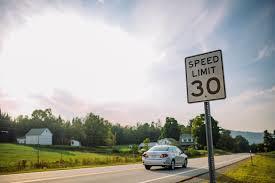
Speed limits in the United States are governed by statutes and are based on the standard speed of the vehicle. The statutory speed limit for four-lane divided highways in rural areas is 65 mph (97 km/h). But some highways are posted with 55-mph or 60-mph speed limits.
Whatever the speed limit is, it is there for safety. If you are speeding and cause a car accident, you may be considered at fault for the accident, so be careful. It’s a good idea to consult a car accident lawyer to discuss your accident and the options you may have.
Connecticut
The state of Connecticut has passed a new law on speed limits. The new law, Public Act 21-28, allows local traffic authorities to establish, modify, and maintain speed limits. However, municipalities must first receive approval from OSTA to change the speed limit. In the interim, municipalities can follow the guidelines in Chapter 5 of the Guidelines to Establish Speed Limits in Connecticut.
In Connecticut, drivers are expected to stay within the speed limit, unless they are traveling in an emergency situation. If you exceed the speed limit, you could face a fine and points on your license. The state’s maximum speed limit is 65 miles per hour, but this limit does not apply on all roads. Rural freeways in Connecticut generally have a lower speed limit of 45 miles per hour, while urban residential and business districts typically have a speed limit of forty miles per hour or less.
New York
New York State is introducing a new speed limit to protect pedestrians, cyclists, and drivers. It is part of Mayor Bill de Blasio’s Vision Zero plan to eliminate traffic deaths in the city. Drivers will have to slow down to 25 mph under certain circumstances. The new limit will go into effect in three months. However, local communities can request exemptions.
While speed limits are not always an absolute guideline, drivers should always try to comply with them under the given conditions. These conditions can include blind curves, wet or slippery streets, driving on hills, and other driving hazards. It is recommended to consult with a traffic lawyer if you are facing speeding problems.
South Dakota
The South Dakota House passed legislation this session to raise the speed limit in some areas to 80 mph. The measure is part of a transportation package that also includes a 6-cent gas tax increase and increased license plate fees. The money raised from these new taxes will go towards road and bridge projects. The measure has been widely praised by road safety advocates.
However, some speed limit signs can be confusing. The best way to avoid getting a ticket in South Dakota is to know the speed limit on the street. If you do not know the speed limit, it is important to ask a traffic cop. In most cases, the traffic police will be able to let you know if you’re going over the limit and if you’re going to be fined.
Texas
Speed Limits in Texas have been increased by the legislature as part of the NHS Act. These increases are based on the 85th percentile rule, which makes mathematical sense. Texas currently sets the maximum speed limit for passenger cars and trucks at 70 miles per hour during daylight hours, and 65 mph for trucks and cars at night.
While the overall increase in fatalities was small, the states that raised their speed limits reported a significant increase in fatalities. This is nine percent higher than the historic rate. The study used economic cost models to calculate the cost of raising the speed limit. These results showed that the economic impact was $820 million in 1996 dollars.
Hawaii
Hawaii has one of the lowest posted speed limits in the country. It was the last state to raise its speed limit after the repeal of the National Maximum Speed Law. The speed limit is posted on freeways and highways, and police rarely pull over motorists going less than five miles over the limit. Nevertheless, any amount of speeding over the speed limit is a traffic violation.
Hawaii’s highways are narrow, winding, and not conducive to high-speed travel. When you’re going around a five-mph blind cliffside curve, you have to lean heavily on your horn to avoid swerving into the oncoming traffic.
Minnesota
The state of Minnesota has a number of different laws on speed limits. Generally, these laws are set by the Minnesota Department of Transportation (MnDOT). There are two different types of speed limits on roads in the state. One is for urban areas, while the other is for rural areas. You should always check the posted speed limit before driving on any Minnesota roadway. If you find yourself driving over the posted speed limit on a road, you should either slow down or get a ticket.
Minnesota’s speed limits were originally set by the commissioner of highways. However, since that time, several changes have been made to the law. Several organizations, including the National Committee on Uniform Traffic Control Devices and the Federal Highway Administration, are reviewing the current standards for setting speed limits. Some communities are now considering different approaches to speed limit setting, taking into account the context of the roadway, crash history, and the presence of vulnerable road users.
Saint Paul
Last year, the Minneapolis and Saint Paul city councils approved changes to their speed limits. These changes are a way to lower traffic speeds in the city and prevent crashes and injuries. They are consistent with the national trend of reducing speed limits in urban areas. These new limits reduce the likelihood of severe injuries and fatalities.
The new speed limits are 20 mph for residential streets, 25 mph for larger arterial streets, and 30 mph for a few city-owned streets. The city cannot change the speed limit on county or MnDOT-owned roads, however. However, there are several places in Saint Paul where residents can post a yard sign to remind drivers to keep to the new speed limit.
