

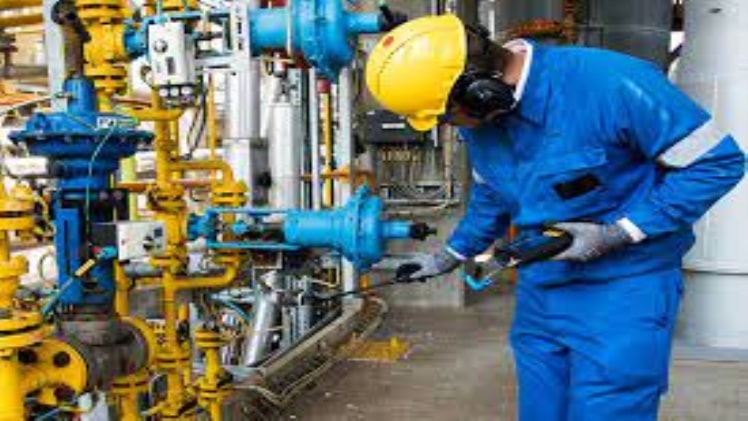
Detecting leakage in industrial operations distributing gas or liquid at high pressure is challenging. An untrained person would choose to start a machine and try to locate leakages by himself. It is dangerous to tamper with pipes moving substances at high pressure to a mechanical system. Rather than sprinkling soapy water on the lines anticipating bubbles to identify leakages, you can opt for a safer solution with hatch cover testing services. The ultrasonic technology will help check the watertightness of doors and hatch covers. It can determine the damage extent and flow rate of fluids.
How It Works
The procedure for hatch cover leak testing is non-invasive and easy to accomplish. Unlike other methods, the testing devices attach to components and send soundwaves through surfaces. The system has two main units: receiver and soundwave generator. If there is a leak, the receiver will pick the sounds, but the substance will absorb the waves if there is no form of leakage. The report will include the damage extent and what it looks like.
Placing an ultrasonic transmitter on a cargo compartment and evaluating the signals on another side is what the testing procedure entails. The technology evaluates the entire system and determines its watertightness. Equipment calibration is according to the signals a receiver picks from the other side of a yacht cover. It is best to use experts if you do not have the right training to use the testing equipment.
The individuals surveying the seals will take readings from different points to ensure accuracy in their findings. It involves sending soundwaves from varying positions across the dors and compression covers. The receiver should not receive soundwaves if the seal is watertight. However, if there are faults in the system, the sound will pass through, and the receiver will record its magnitude. It is a concern when the signal strength the receiver picks is above 10%. Immediate action is necessary to repair the areas and enhance the compression.
The Importance
Water vessels use watertight covers and doors to limit water from penetrating the ship. In case of damage to the external parts, you can have a secure containment for the crew and cargo. Checking for leakages in vessels and yachts is a standard protocol for safety. Investing in the hatch cover least testing technologies is prudent to safeguard people and assets at sea. Failure can lead to damage to more valuable goods or loss of lives.
Hatch cover testing devices are the most preferred method for leak detection, but the results will depend on the equipment you use. So, you must use approved products and expert services in undertaking the procedures. A professional in the field will know about the practice and how to utilize the pieces of equipment. Ensure the service provider has experience in hatch cover leak testing. Besides interpreting the results during testing, trained personnel can undertake basic repairs and maintenance of a water vessel sealing system. Ensure you consider the factors when searching for hatch cover testing services.
