

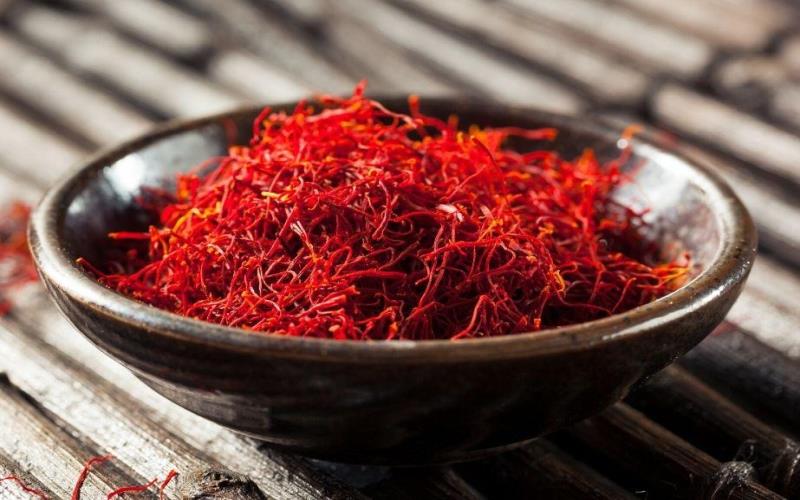
Ever wondered what makes saffron so special? As a home chef, using saffron can change your cooking for the better. This spice comes from the Crocus sativus flower and has a deep, complex flavor. It can make many dishes, from savory to sweet, taste amazing.
Saffron tastes a bit bitter, earthy, and sweet, with notes of hay and grass. This mix of flavors makes saffron great for adding depth to your cooking. It’s perfect for making fragrant rice, decadent desserts, or seafood dishes. Adding saffron can take your cooking to new heights.
Key Takeaways
- Saffron is a versatile spice that can add a unique flavor profile to a variety of dishes.
- The taste of saffron is described as slightly bitter, earthy, and possessing hints of sweetness, hay, and grass.
- Saffron’s complex flavor can enhance the depth and complexity of both savory and sweet dishes.
- Proper storage and handling of saffron is crucial to maintain its flavor and intensity.
- Saffron’s vibrant color and aroma can also contribute to the overall sensory experience of a dish.
Unveiling the Allure of Saffron
Saffron is an ancient and sought-after spice. It comes from the dried stigmas of the Crocus sativus flower. This spice is known for its vibrant yellow color and complex taste. It’s a key ingredient in saffron seasoning dishes and saffron flavoring cuisine globally.
The taste of saffron is a bit bitter and earthy, with hints of hay, honey, and flowers. This creates a saffron aroma in food that is both captivating and intriguing.
What Is Saffron?
Saffron is one of the most expensive saffron spice characteristics in the world. It costs between $3,000 to $8,000 per pound. This high price comes from the hard work needed to pick and dry the delicate stigmas from the Crocus sativus flower.
Each flower gives only 3-4 stamens, and it takes thousands of flowers to get one pound of saffron. This makes saffron very valuable.
What Does Saffron Taste Like?
Saffron has a unique flavor that is a mix of earthy, floral, and slightly bitter notes. Its high crocin content gives it a distinct saffron aroma in food and a bright golden color. When used right, saffron can greatly improve the taste and look of dishes.
| Saffron Cultivation Locations | Key Characteristics |
| Spain, Iran, Greece, Turkey, Afghanistan, and certain Indian states | – Highest crocin content in high-quality threads – Dominant producer: Iran (over 90% of global supply) – Renowned for health benefits (heart health, mood enhancement, depression/anxiety treatment) |
A little saffron can go a long way in making dishes taste and smell better. Its unique taste and versatility make it a valuable ingredient in saffron seasoning dishes and saffron flavoring cuisine around the world.
Saffron: The Exquisite Spice
Saffron is truly an exquisite spice, prized for its unique flavor, aroma, and vibrant color. To get the most out of saffron in your cooking, prepare it by blooming the threads in hot liquid or grinding them into a powder. This method releases the spice’s full flavor and aroma.
Saffron goes well with many ingredients, like rice, pasta, seafood, and desserts. Store it correctly in an airtight container in a cool, dark place to keep it potent for up to two years. Whether you’re new to cooking with saffron or experienced, this golden spice can elevate any dish and add a touch of luxury.
| Saffron Facts | Details |
| Cost per Gram | Upwards of $15 per gram |
| Shelf Life | Recommended to be used within 6 months |
| Quantity Needed | A very small amount, around 10 tiny threads, can flavor an entire pot of rice |
| Best Preparation | Saffron is best incorporated into dishes that involve hot liquid like soup, pasta, or rice |
| Origin | The best quality saffron is grown in the Middle East and Asia |
Saffron’s flavor is subtle and distinctive when incorporated into a dish, providing a gentle fragrance and bright yellow color. To activate saffron’s aromatics, it requires heat, moisture, and time. Known as the world’s most expensive spice, it’s due to the labor-intensive process to cultivate just a single ounce.
“Each crocus flower has three stigmas, and it takes more than 14,000 of these stigmas to produce one ounce of saffron.”
Whether you’re using saffron in savory dishes like tagines and seafood stews or in sweet treats like ice cream and rice pudding, this golden spice can elevate your culinary creations to new heights.
saffron taste in dishes: Culinary Mastery Awaits
Saffron is a versatile spice that can make many dishes special, from savory to sweet. Its unique flavor and bright color add luxury to recipes. This spice is a must-have for any kitchen.
Culinary Canvas: Saffron in Rice Dishes
Saffron is a star in rice dishes, turning simple grains into a feast for the taste buds. It pairs well with the nutty taste of rice. This makes dishes like Persian saffron chicken and saffron risotto truly unforgettable.
Saffron’s Sweet Side: Desserts and Drinks
Saffron isn’t just for savory dishes; it also adds a special touch to sweets and drinks. It brings a floral and sweet flavor to desserts, ice creams, and even cocktails. This makes these treats even more indulgent.
The Essence of Seafood: Saffron in Marine Delicacies
Saffron also pairs well with seafood, enhancing the taste of stews and sauces. Its golden color and aroma blend perfectly with shrimp, mussels, and other seafood. This creates a perfect balance of flavors.
Golden Garnish: Saffron in Soups and Sauces
As a garnish, saffron adds a beautiful golden color and flavor to soups and sauces. Its unique taste brings sophistication to these dishes. This makes the dining experience even better.
Saffron Beyond Borders: Global Spice Blends
Saffron is also a key spice in many global blends, fitting into different cuisines worldwide. It’s used in Moroccan tagines and Indian curries, showing its versatility. Chefs and home cooks love it for its unique flavor.
Conclusion
Saffron is a spice that makes any dish special with its unique taste, smell, and bright color. It’s great in savory rice, sweet desserts, or as a garnish for soups and sauces. Learning how to prepare and store it right lets you use its full potential and add luxury to your meals.
Using saffron can turn your cooking into art. It’s a spice that’s hard to get and very expensive. Knowing about its flavor and the different types helps you use it well in your recipes.
A little saffron can make a big difference in your cooking. It adds a special flavor that will impress your guests. Start using saffron in your cooking and see how it can elevate your dishes to new levels of excellence.
FAQ
What is saffron and where does it come from?
Saffron comes from the dried stigmas of the Crocus sativus flower. It’s found in Pampore, Kashmir.
How would you describe the taste of saffron?
Saffron tastes slightly bitter and earthy. It also has hints of hay, honey, and flowers. Its flavor is complex and unique.
What dishes can saffron be used in?
Saffron is versatile and can be used in many dishes. It’s great for rice, pasta, seafood, desserts, and even drinks.
How should saffron be prepared and stored for optimal flavor?
To enhance saffron, bloom the threads in hot liquid or grind them. Store saffron in a cool, dark place in an airtight container. It keeps for up to two years.
Why is saffron so expensive?
Saffron is pricey because picking its stigmas from the Crocus sativus flowers is hard work.
