

Natural materials are environmentally friendly, durable, fit a variety of styles, and improve the indoor climate. In addition, many of them are restorable – which means you can save money on them.
Wood
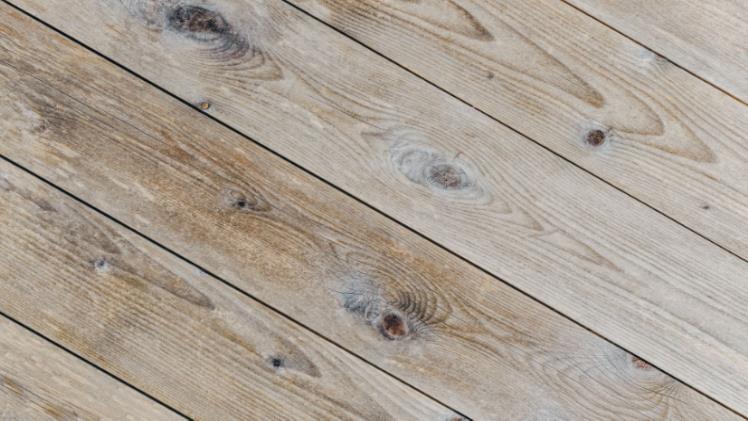
Wood is the most popular natural material used in interiors. It has many colors and textures, from light pine to dark brown cherry to black ebony. It is also sanded and polished in different ways. For example, many designers like to use rough-finished wood, the texture of which can not only be seen but also touched. Because of the variety, wood can be incorporated into any interior. It is also easy to work with and, most importantly, it brings “warmth” to the interior.
The longevity of properly treated and dried wood can be counted in centuries. Old products can be restored, and sometimes they do not need it – beautifully tarnished wood blends harmoniously into classic interiors. Wood retains heat well and is suitable for use in cold climates. Click here
The most popular use of wood is in flooring with parquet or solid solid wood. In public areas, such flooring can wear out quickly, but it’s still a great option for a shoeless home. Options with picturesque textures are popular: knots, uneven toning.
Wood is also used to make furniture, kitchen sets, doors and frames. Sometimes it is used when facing an accent wall – but here it is important not to go overboard. Designers recommend maintaining a contrast between the wood floor and walls, choosing other materials for the latter in cool shades.
Many people make table tops out of sawn wood (slabs) – such a solution is an interesting accent in interiors that are not overloaded with details.
When choosing a material as the main material for functional furniture – cabinets, especially built-in cabinets – it is worth choosing MDF (pressed chip) board, because regular wood can warp. You can use veneer for cladding – it will look just as good.
Brick
Timeless material, which most harmoniously fits into the industrial and close to it styles (such as loft). And yes, to use brickwork, you do not have to build a brick house, you can take a decorative material for interior decoration.
It is an environmentally friendly material with good heat and sound insulation. It has natural and neutral shades, so it can be used in different interiors without disturbing the visual balance of the rooms. Brick blends well with metal and concrete.
Usually brick is used in wall cladding, more often in the space around the fireplace. It can also be used to cover, for example, the base of a kitchen island.
Stone
One of the oldest building materials which traditionally adds high style and severity to interiors. Stone-like wood is versatile and has a variety of materials and textures – travertine and sandstone have classic neutral colors; marble can be both light and dark; and for lovers of unusual patterns basalt and granite can suit. In addition, the pattern of each stone is unique. Stone is durable, protected from moisture, heat and damage. After polishing it reflects the light.
In countries with warm climates, stone is used for flooring, and in colder climates, stone is used for other purposes or is used as heated flooring. Stone can accent walls and space with a fireplace, light marble or quartz to emphasize the white window frames. In the bathroom and kitchen, slate, a stone with a bright texture that is relatively easy to work with, is often used.
Working with stone, particularly marble, it is better to use its darker variations – white marble will fade over time. Also, in dangerous proximity to possible contaminants (such as in the kitchen), the material should be treated with special compounds so that it does not leave traces.
Metal
Metal embodies coolness and elegance, fits almost any style, is durable and resistant to damage. It is democratic in the choice of each of its parameters: interiors use both polished and brushed materials; smooth and engraved; glittering glossy and aged; products can be both factory-made and hand-forged; and the color can be both silver (aluminum and steel) and gold (copper and brass).
We usually associate metal with modern minimalism or something industrial, but it can also be present in classic interiors – it’s easy enough to imagine a room with a patina-covered paperweight and a copper inkpot on an antique table.
Metal can co-exist with wood; for example a table with a wooden top can have metal legs. It also combines with stone, glass and plastic. Metal panels are finished in bathrooms and corridors, working areas in the kitchen, floors in nonresidential facilities. Metal is used for accessories such as lamps, cabinet handles and cornices. These interior details have an unobvious function: shiny metal elements can add light into the room due to reflections, so they are often used in dark rooms.
Bamboo
Contrary to popular misconception, bamboo is not wood! Although it too is durable, sturdy and has a similar texture to wood. It is often used in flooring – because of the very dense arrangement of the fibers such a floor is more durable and wear-resistant than wood.
Bamboo can also be used not in a pressed form: the stems can be used to decorate partitions between areas of the room, and blinds made of longitudinal splits of the plant close the window.
Such solutions are not universal, bamboo is suitable only for some spaces and is guaranteed to bring to the interior its own, “Asian” mood.
Leather
As a rule, designers use leather in moderation, being limited to the upholstery of the sofa and armchairs. Such furniture adds sophistication to the interior, although the very use of leather, fur or wool is contrary to environmental trends.
If we break away from progressive styles and go back to the classic Art Nouveau and Art Deco, we see that leather is used everywhere – in furniture upholstery and decorative items. Contemporary designers are experimenting with natural and synthetic leather, adding it even to wall coverings and small accessories.
Leather is loved because it adds elegance and elevation, does not cause allergies when tanned properly, and ages beautifully.
Rattan, sisal and jute
These are plant materials extracted in the southern (relative to Russia) countries. They are used in different ways: for example, rattan is used to make wicker furniture, and jute is used for floor coverings. What they have in common is their characteristic texture – visible fibers, which give away their southern origin and evoke associations with vacations, the seashore or exotic islands.
Despite the associations, exotic materials can be added to different interiors. They are most often used in bedrooms and covered patios.
Living plants
Plants add “liveliness” to an interior more than any natural materials – if only because they really are living organisms. Interior floristics is a science that could be devoted to dozens of articles, but we suggest starting with a small selection in our knowledge base, where we collected 13 interesting plants and told how to take care of them.
The exception: textiles
Natural fabrics have a problem – many of them deteriorate after washing and can cause allergies. Therefore, we will advise you to listen carefully to your own reactions to different types of textiles – it may be better to use semi-natural types of fabric, rather than natural ones.
