

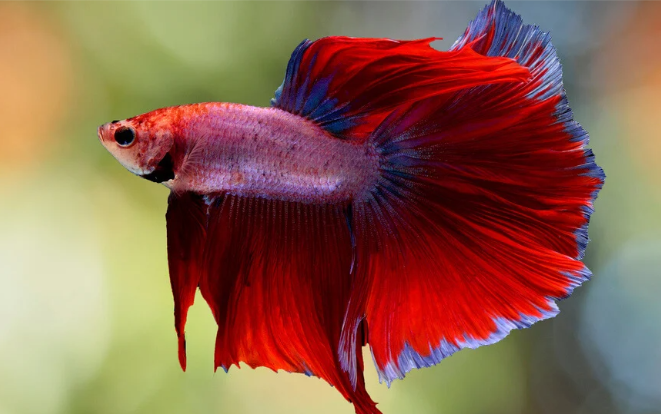
Betta fish are popular fish in the aquarium hobby, but many people don’t know that betta fish are also poisonous. This blog is aimed at helping people understand what betta fish are and which ones might be poisonous, as well as steps to take if they think their betta fish might be poisonous. Along the way, we’ll also talk about signs that a betta fish might be poisonous and how to handle a poisonous one. So if you’re ever worried about your betta fish, read on to get all of the information you need.
Are betta fish poisonous?
Betta fish are not poisonous and can be kept in most Aquariums. However, before you take the plunge and purchase a betta fish, it’s important to research which one is safe for your aquarium. In addition, betta fish are not always easy to identify. It’s possible to get a red-headed Betta as well as a yellow one. Furthermore, there are many different species of bettas, so it’s important to research which one is safe for your aquarium before purchase.
What to do if you think your betta fish might be poisonous
Betta fish are cute and cuddly, but they can also be deadly if they ingest poison. If you think your betta fish might have eaten something that’s poisonous, don’t wait – take action immediately. First, be sure to keep other pets away from the fish. If the fish is small, try to scoop it up with a bowl and take it outside. If the fish is large, you’ll need to get a container large enough to hold it and pour in some water to float the fish. Once you have the fish in the container, immediately take it to a vet for a diagnosis and treatment. If you catch a betta fish that looks sick or doesn’t seem to be healthy, discard it immediately. Betta fish are delicate and require special care, so don’t risk your pet’s health by keeping them in an environment that’s potentially hazardous.
Signs that a betta fish might be poisonous
Betta fish are one of the most popular fish in the world, and for good reason. They are beautiful and lively creatures that can be kept in any home aquarium. However, like all fish, bettas can be poisonous if not treated correctly. If you notice any of the following signs in your betta fish, it is best to get rid of it:
-Increased breathing difficulty -If you see any of the following signs in your betta fish, it is best to get rid of it.
-Swelling or redness around the gills -Dizziness or unsteadiness
Handling a poisonous betta fish
It can be a worrying task to take on the responsibility of owning a poisonous betta fish, but it’s important to be knowledgeable about the risks involved. Always consult with an expert if there are any concerns about keeping such an exotic creature – they will be able to provide advice specific to your situation. If you do find a betta fish that’s become lethargic, has poor coloration, or is biting at everything in sight, it’s best to get it to a safe place as soon as possible. Betta fish are found all over the world, so if you’re planning on bringing one home, make sure you know where they’re living before bringing them home.
Conclusion
Betta fish are considered to be a kind-hearted fish and are often kept as pets. However, there is one type of betta fish that can be poisonous and is known to cause pain and inflammation in the gills, mouth, and throat of those who are unfortunate enough to get bitten by it. If you think that your betta fish might be poisonous, don’t wait – take action right away. Here are some of the signs that your betta fish is poisonous and what you should do if you think it might be: get medical help immediately, put the fish into a container of fresh water, and isolate the fish from other pets.
