

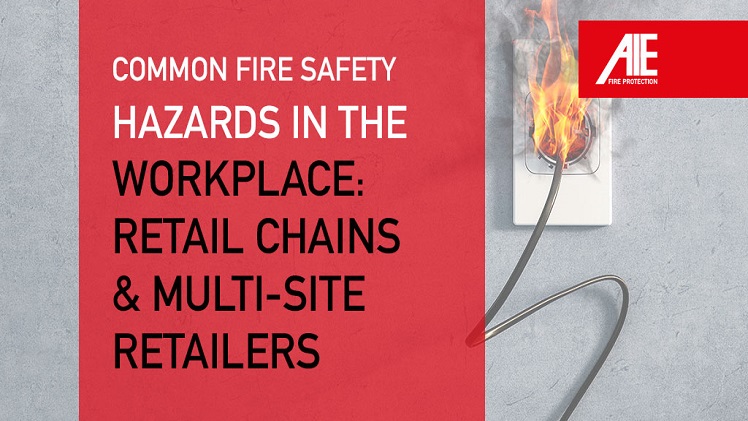
Electrical and fire safety in the workplace is important for employers to ensure the well-being of employees. According to the HSE, approximately 1000 accidents involving electricity and workplaces result in fatalities. In addition, 30 accidents result in electric shock, most of which involve contact with overhead or underground cables. Even if an accident does not result in a fatality, it can lead to severe injury and damage to the workplace. Faulty electrical appliances or inadequately installed electrical equipment can also cause a fire.
Plan with safety
Proper electrical installation is key for workplace safety. Electrical equipment can cause serious injuries. The use of tools and machinery in a hazardous area can be fatal. In some cases, electric shocks and burns can destroy nerves, muscles, and tissue. This makes it imperative to have an adequate electrical safety policy in place in any business. By following a comprehensive fire prevention plan, you can reduce the risk of a fire and its resulting damage.
Daily routine check
Effective electric fire prevention means following clear guidelines and policies every day. You can also check out techsuse for more details on this topic. Routines help minimize the risk of fire and keep the workplace safe. Businesses need to design routines that satisfy strict building fire codes to prevent hazards. Creating a safe evacuation plan is vital for the safety of workers. A thorough fire escape plan should be developed and implemented in a written document. It must include information about how to evacuate a building in case of a fire.
Ensure safety signs and alarms
An electrical safety plan is necessary for an effective workplace fire prevention plan. Besides developing an efficient policy and guidelines, it is also crucial to implement the policies and guidelines. A good safety routine helps minimize the risk of fire and satisfies the stringent requirements of building fire codes like those in Chicago. In addition to the regulations, a company’s evacuation plan should include safe evacuation routes. It should define an overview and detail, incorporating employee input. This policy should also outline the safest paths to fire exits. It should also designate employees to sound the alarm or call 911. Additionally, it is vital to conduct regular fire drills.
Improving policies and guidelines
To be effective in electrical fire prevention, a company should follow well-developed policies and guidelines. The best practices will help minimize the risks of a fire and ensure compliance with strict building codes in Chicago. Further, an employer should create a safe escape plan for the employees in a commercial building. Using an emergency evacuation plan in a construction site is vital to the life of an employee. You should develop a fire-safe evacuation plan based on the location and the hazards at that location.
Conclusion
The standards for electrical and fire safety in the workplace are essential to ensure the safety of employees. It is also essential to have a fire drill regularly. By following these guidelines, you can protect yourself and others in your workplace. NFPA has developed codes and standards for electrical and fire safety in the workplace for over 125 years. If you want to know more about these standards, visit their website and download a free copy of the NFPA 70E standard.
