

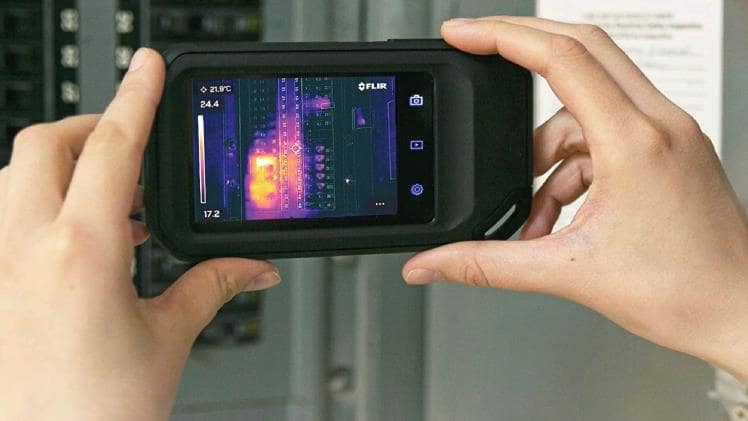
Infrared thermal imaging technology, or thermography, has come a long way over a century ago. As with many breakthroughs in science and technology, its initial uses were in the military. The technology allowed pilots to see enemy encampments by detecting heat signatures at night or through smoke, fog, and cloud cover during the day. Today, thermography has become much more than that; you may use this technology every day without even realizing it! The best way to understand how infrared thermal imaging technology works is to consider its most common applications.
1. Maritime Markets
Infrared thermal imaging can help detect slight temperature differences on the surface of the water, making it an essential tool for maritime search and rescue operations. It can also assist in monitoring ship engine performance and identifying potential problems before they cause severe damage. In addition, infrared thermal imaging can help monitor cargo for temperature-sensitive items and detect leaks in fuel tanks or hulls.
The technology has also found its unique application in superyacht construction and repair, where infrared thermal imaging is a vital inspection tool. Monitoring ships during lay-up periods enables them to stay dry by checking their condition before launching them back into service; similarly, monitoring vessels during service reduce their downtime. You can contact https://www.geothermltd.co.uk/ to learn how infrared thermal imaging technology can become an essential part of your operation to improve your bottom line.
2. Oil and Gas Industry
The oil and gas industry is one of the most significant users of infrared thermal imaging technology. The cameras help to inspect pipelines and storage tanks for leaks, as well as to monitor flares at night. They can also assist in detecting gas leaks in hard-to-reach places. Infrared thermal imaging also finds applications in the petrochemical industry for process control and safety. The cameras can monitor reactions, identify potential hazards, and track emissions.
These applications help keep the equipment and the personel safe. It provides a detailed map of the temperature gradients in a given environment or part of a facility, allowing engineers to take appropriate measures. New technologies are coming up that detect changes on pipes even before they leak! The efficiency and savings of infrared thermal imaging make them indispensable for any company looking for an edge over their competitors.
3. Drilling Industry
In the drilling industry, thermal imaging helps to detect potential areas of instability in the rock face. Hence, engineers can safely determine where it is safe to drill and avoid accidents. Additionally, thermal imaging can help monitor the progress of drilling operations and ensure that everything is proceeding as planned.
Furthermore, infrared thermography has been used for years by geologists to study lava flows and volcanic eruptions without getting too close. And finally, infrared cameras are sometimes attached to drones for quick surveys of an area or event before deciding how best to proceed.
4. Studying Green Building Energy Performance
One important application of infrared thermal imaging technology is studying the energy performance of green buildings. The technology can help identify areas where a building is losing heat, which experts can then address to improve the building’s energy efficiency.
Infrared thermal imaging can also help to study the solar heat gain of a building, which is essential for passive solar design. The technology assists wholesale energy experts in analyzing power plant equipment, from turbines and generators to transformers and switchgear.
5. Detecting Moisture Problems in Buildings
Infrared thermal imaging technology helps detect moisture problems in buildings. That is because the technology can read changes in temperature, which can indicate the presence of moisture. Moisture can cause building problems, such as mold growth, so it is crucial to detect it early.
Also, excess moisture in buildings may raise structural integrity issues, leading to disasters. Thus, infrared thermal imaging cameras are a valuable tool for determining if there are any water or moisture-related issues before they become significant problems.
Conclusion
Infrared thermal imaging technology is a versatile tool that can be helpful in various applications. In industrial settings, it can assist in detecting potential problems with equipment before they cause costly downtime. At the same time, in commercial and domestic housing markets, it can help reduce energy bills by identifying insulation issues or air leaks. The possibilities are endless for this cutting-edge technology, and we have just scratched the surface. Incorporate infrared thermal imaging technology in your projects in industrial, domestic, or commercial markets to enhance efficiency and standards, lower costs, and increase profits. duysnews
